Using Participatory Action Research to analyze gender dynamics in the Dairy Value Chain in El Fayoum Governorate.
Participatory action research (PAR) is a methodology that allows the beneficiaries of a project, along with other key stakeholders, to carry out a research by and on themselves. In GEMAISA, with the support of Le9 Association, we adopt this methodology to
(1) ensure a thorough understanding of rural women’s problems;
(2) understand the root causes of the barriers that they face according to the multiple roles that they play, in particular in at value chain level;
(3) identify resources to improve their situation as well as the support that can come from key stakeholders at local level;
(4) strengthen women’s knowledge with regards to their economic activity and social environment to support their empowerment;
(5) understand rural women’s specific needs in terms of technical assistance.
The first, fundamental phase of the PAR is called “preliminary analysis” and consists of a field analysis and a desk research that are expected to provide a better understanding of socio-economic context in which a project takes place and, in the case of GEMAISA, of the specific targeted agro-food value chains.
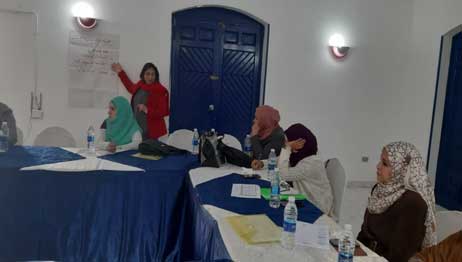
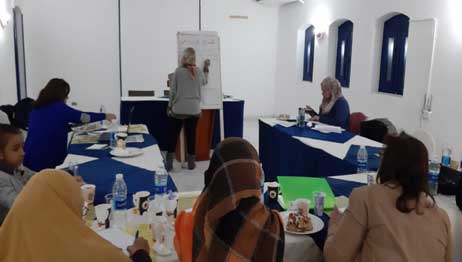
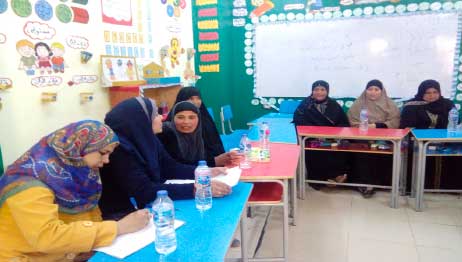
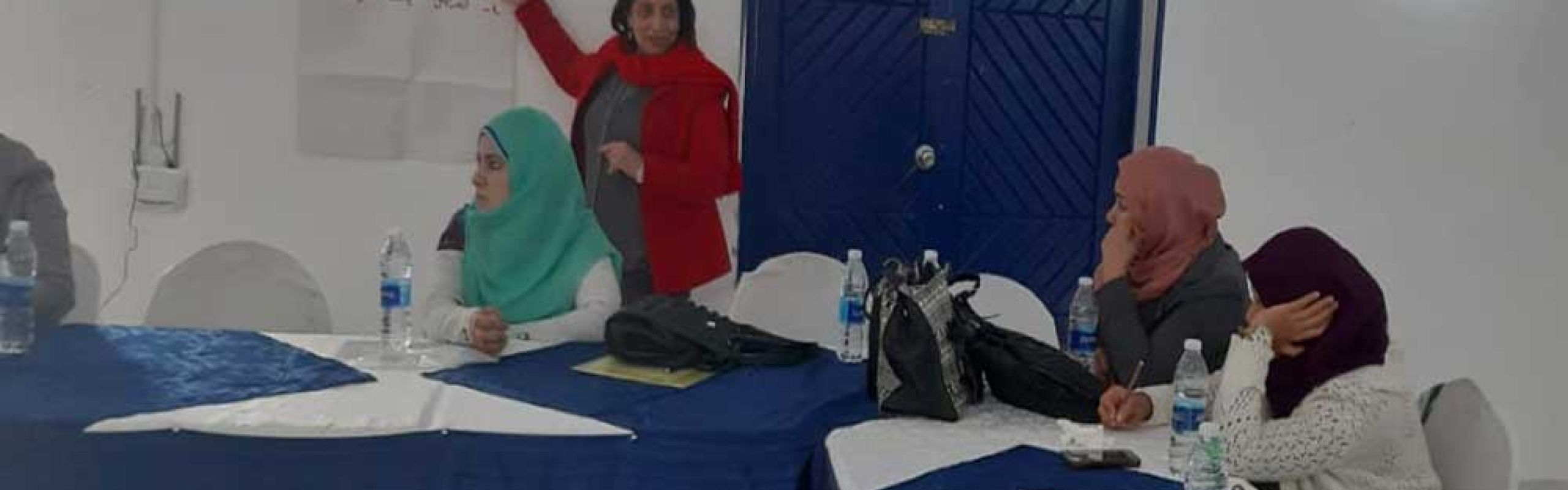
In Egypt, the preliminary field analysis of the Dairy Value Chain in El Fayoum Governorate was carried out between February and March 2019, through interviews to key value chain actors at different levels and focus groups discussions with rural women to identify gender-related dynamics in accessing and sustainably participating in the VC. In order to provide a broader understanding of the context, a variety of non-market stakeholders was involved, including the Faculty of Agriculture of El Fayoum University, the Veterinary Directorate, the Egyptian Agricultural Bank, and local NGOs.
The focus group discussions and individual interviews helped the team to identify 11 main problems regarding women’s participation in the dairy value chain in El Fayoum Governorate (with focus on Youseff El Seddik and Sennouris Districts). These problems were used as the starting point for subsequent discussions with the members of the “Local Initiative Team”, that was responsible for identifying specific actions to be implemented under GEMAISA to address the obstacles that women face as value chain participants and contribute to their socio-economic empowerment.