Closing workshop of the Tunisian Pilot Initiative – Médenine, Tunisia
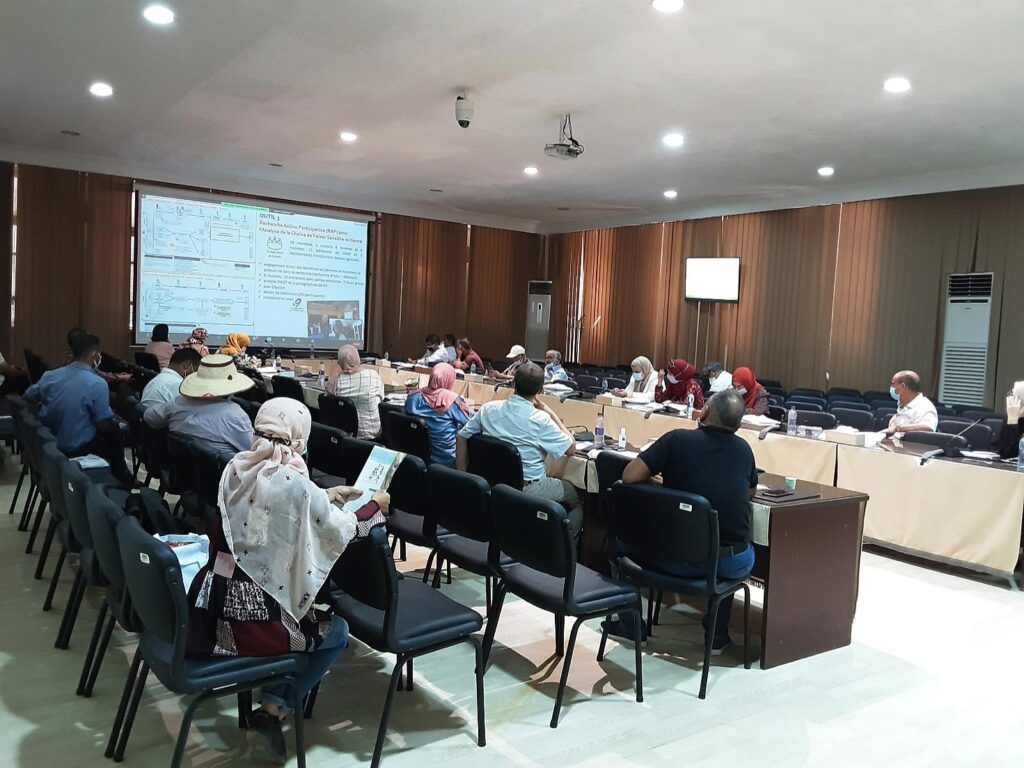
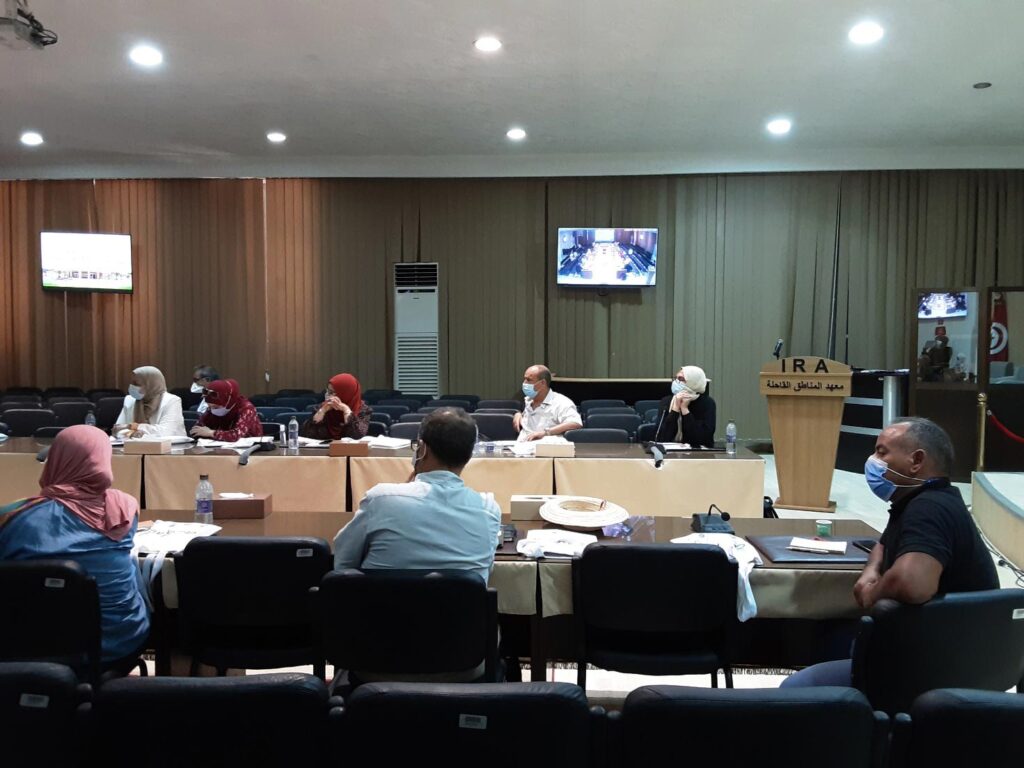
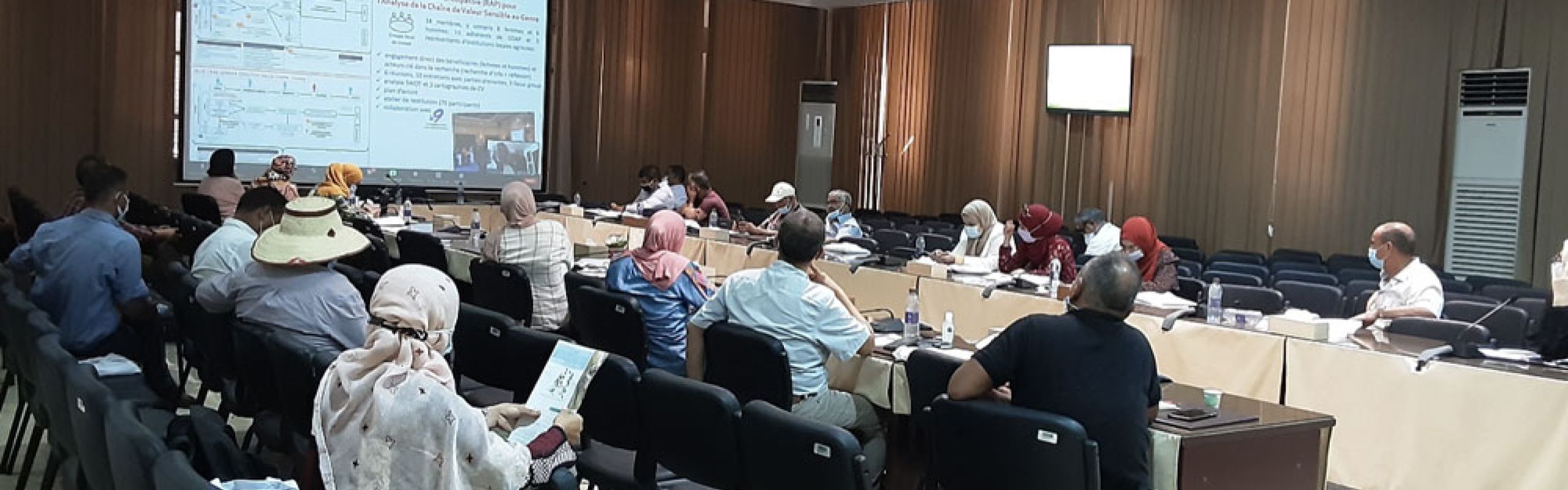
The closing workshop of the Tunisian Pilot Initiative in the framework of GEMAISA 2 Project took place on august 3rd 2021 at the Institute of Arid Regions (IRA) in Médenine, Tunisia.
The event aimed to present the outcomes and recommendations resulting from the project “Support program for the integration of rural women in development and sustainable food security – GEMAISA 2”, funded by the Italian Cooperation and implemented by CIHEAM Bari, in partnership with the Tunisian Ministry of Agriculture, Fisheries and Water Resources (MAPRH).
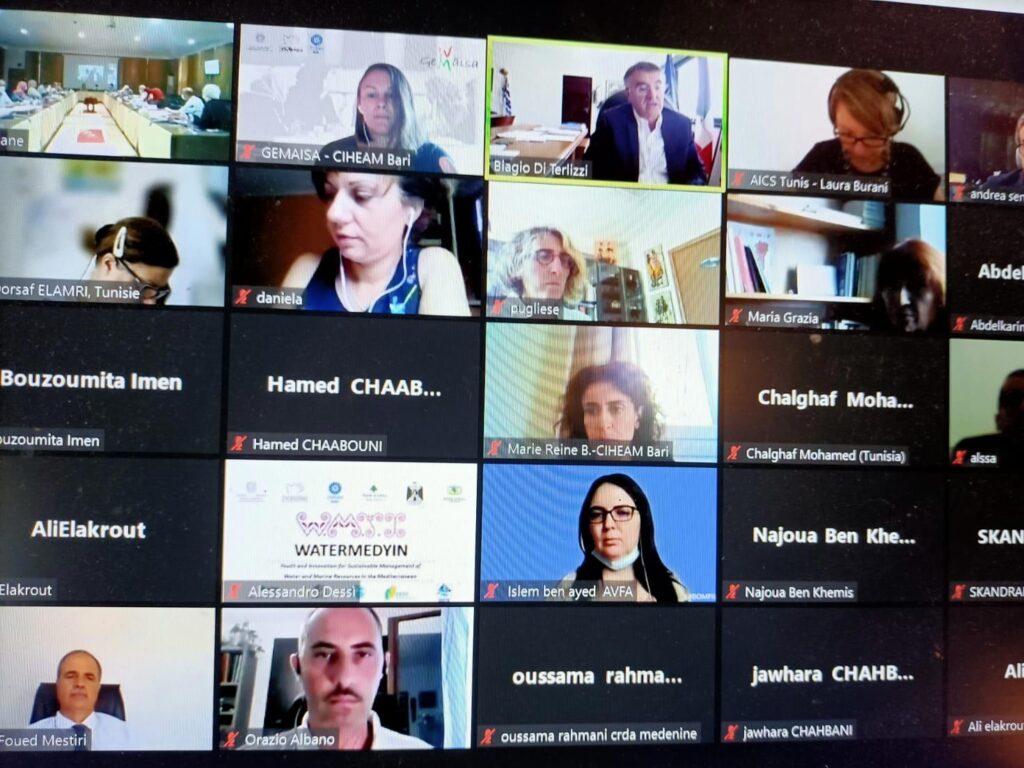
In compliance with the COVID-19 restrictions in Tunisia, the workshop was held in presence with 20 institutional representatives and speakers and online with around 40 participants connected via zoom.
The session was opened by the welcome addresses of: Andrea Senatori – Director of the Italian Agency for Development Cooperation (AICS) in Tunisia, Eljamii Ammar – Regional Commissioner for Agricultural Development of Medenine, Biagio Di Terlizzi – Deputy Director of CIHEAM Bari.
The opening session was followed by the presentation of the project results and the sharing of on-field experiences gathered during the implementation of the project. In particular, Patrizia Pugliese – GEMAISA core team, CIHEAM Bari – provided an outline of the approaches and tools, Narjes Hamrouni and Raja Ben Lachhab – respectively member of GEMAISA Steering Committee and local Coordinator of the project – moderated the sessions and presented the impacts of the project both at institutional and local level.
The session continued also with the intervention of Ines Haouas – Institut National des Sciences et Technologies de la Mer (INSTM) and Saber Ben Mbarek –expert on agricultural value chain development, who shared his experience in strengthening the capacities of the GDAP.
The presentations of the speakers promoted an interesting debate and, in the conclusions, the discussion also addressed the viability of concrete applications of project results and their possible continuity in order to provide sustainability to GEMAISA 2 Project.